BUILDING TODAY FOR TOMORROW’S NEEDS
Upcoming projects
The next wave of Smart: applied AI for language, skin health, customer experience, safer spaces and secure access. See what we are building — and where you can get involved.

Language & voice
Skin health
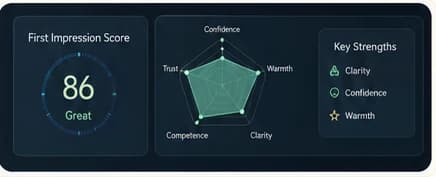
Human understanding
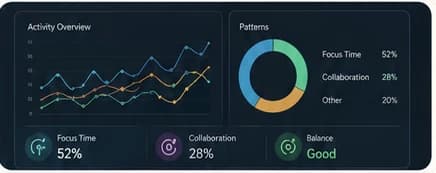
Environment analysis
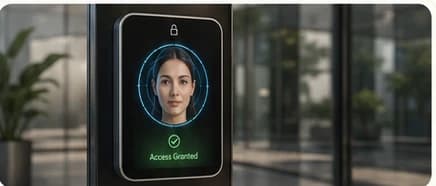
Secure access
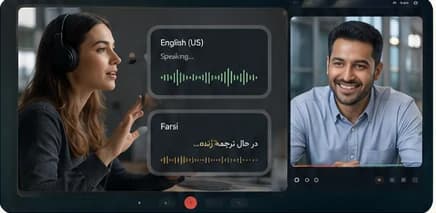
Live English→Farsi Dubbing
ConceptPurpose: A natural, fluent experience for watching English video content in Farsi.
Current focus: Real-time translation, natural Persian speech generation, preserving the speaker’s tone, and keeping audio in sync with the video.
Next step: Build and evaluate a first prototype on short video content.
Use and project scope
Audio is processed only to produce the dubbed stream; no speaker identification and no voice profiling.
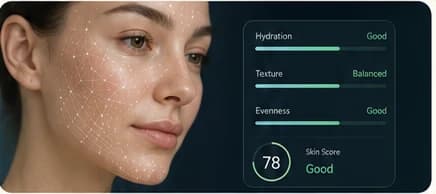
Virtual Skin Lab
PrototypePurpose: Simulating skin condition and showing possible care and treatment scenarios, to support more informed decisions.
Current focus: Modelling skin layers, analysing imaging data, and estimating likely changes over time.
Next step: Scientific validation of the base models with specialist data and clinician review.
Use and project scope
Skin images are processed only with explicit consent. This project is a decision-support tool — not a replacement for a physician’s diagnosis or prescription.
The project development path
Concept
The problem, the real need and the potential value are examined.
Prototype
The core capability is built and tested at limited scale.
Internal testing
Quality, safety, privacy, fairness and reliability are assessed.
Pilot
Tested in the real world with a defined scope, human oversight and clear success criteria.
The stage shown is each project’s current development status — not readiness for public release.
Behaviour analytics ≠ biometric security. Analytics is anonymous and aggregate — no facial recognition, no identity; biometric access control is a separate, consent-based system. No Smart project infers people’s emotions — aligned with the EU AI Act’s prohibited-practices rules.
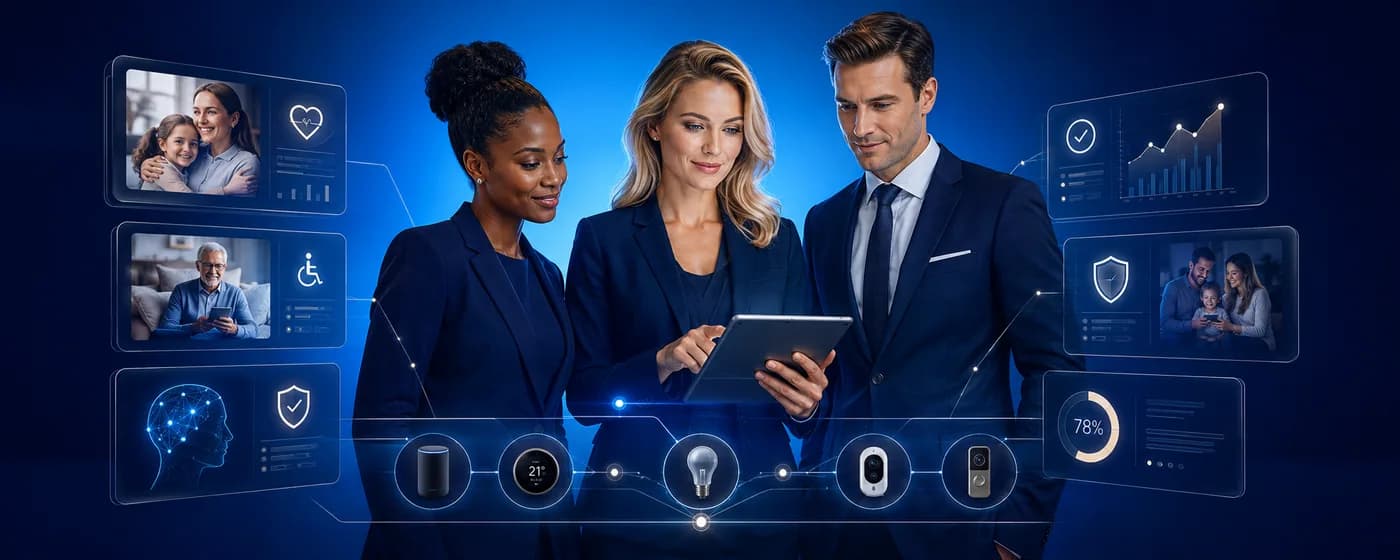
Principles that guide every project
Real value
Every project starts from a real need and must deliver a meaningful outcome for people.
Responsible intelligence
Privacy, fairness, safety and human oversight are designed in from the start.
Evidence before claims
Progress and impact are assessed with clear criteria and measurable results.